Run it. Don't break it.
The operational reality. How an agent actually runs day-to-day, plus the four mistakes that account for most failed agent projects. Knowing these is worth more than another tutorial.
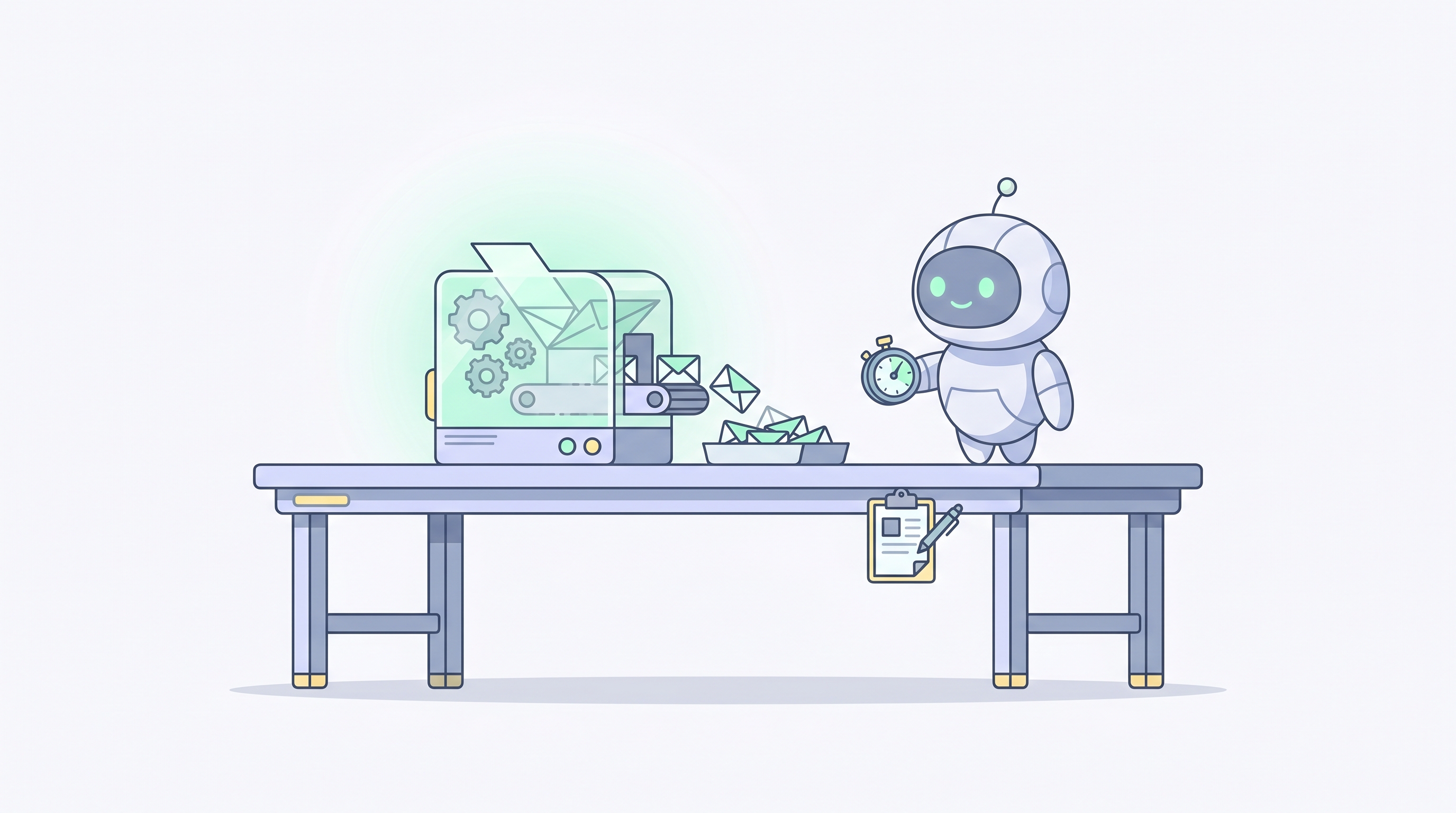

The schedule
Most agents run on a clock. Once a day, twice a day, every Monday morning. Pick the lowest frequency that's still useful.
→ "Every weekday at 08:00" is a great first schedule.
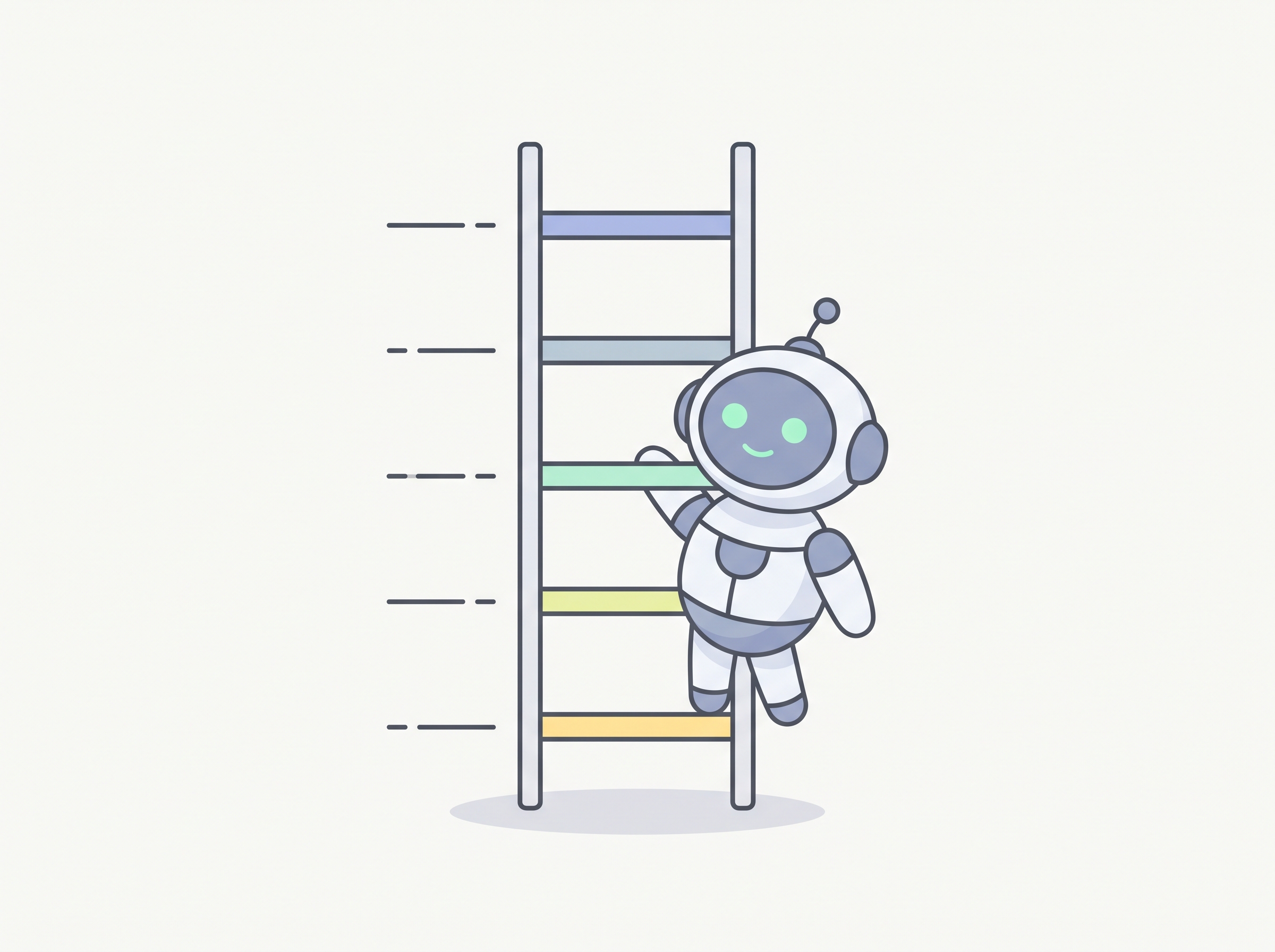
The trust ramp
Don't go from zero to autonomous. Five rungs: drafts a human reads → drafts a human glances at → sends easy ones, escalates hard → sends most, you sample → retired.
→ Spend the first month on rung 1. Earn the trust week by week.

The "I don't know" button
Every good agent has a way to stop and ask a human when it's unsure. Silence is the worst possible answer.
→ The day your agent stops escalating is the day you should worry.
The same four mistakes.
Most failed agent projects look the same up close. Know them up front.
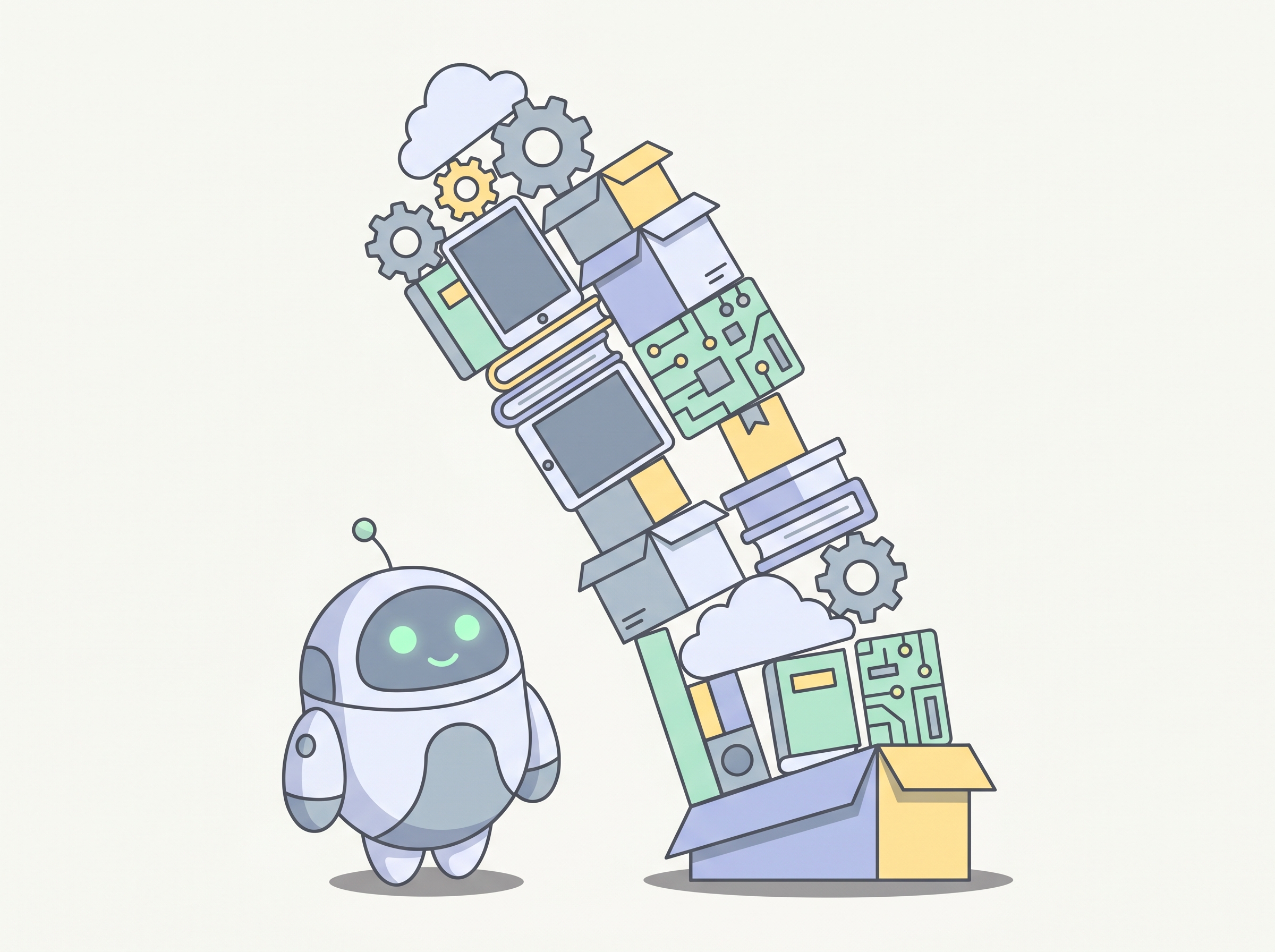
Building "an AI for the business"
One agent does one thing. The owner who tries to build a single intelligent assistant that does everything ships nothing. Pick a narrow, scheduled, boring task first.

Skipping the guard
The agent will run on a day when its inputs are missing or wrong. Without a guard it publishes garbage with full confidence. Always include "refuse to act if X is missing".

No measurement plan
"It feels useful" is not a result. Decide on day one how you'll measure hours saved or money moved by week four. Write it down before you start.

Letting it auto-send too early
For agent #1, the agent always drafts and a human always approves. The day you let it auto-send is the day it embarrasses you. Earn the trust over weeks, not hours.
If you only remember one thing from this station: write one more guard than you think you need. Future-you will write a thank-you note.
Which pitfall is most likely to bite you?
Be honest. For most owners it's pitfall 1 (too ambitious) or pitfall 3 (no measurement). Knowing your own tendency is half the protection.

Operator
Sixth sticker. Three studios left — these are optional, and they're where you actually build.